
What Advantages Does a Flexible Packaging Supplier Offer?
Professional flexible packaging suppliers help customers reduce packaging costs by 30% through material innovation. Among them, lightweight technology reduces material usage by 25% while maintaining tensile strength of no less than 45 megapascals. According to the 2024 Flexible Packaging Association data, the use of high-barrier composite films can extend the shelf life of food to 12 months and keep the oxygen transmission rate within 0.5cc/m²/ day. For instance, the upright bag packaging developed by Amcor for snack brands has increased the display area on the shelves by 40%, improved transportation efficiency by 35%, and achieved an annual growth rate of 22% in customer sales.
In terms of supply chain optimization, flexible packaging suppliers have shortened the order delivery cycle from 28 days to 14 days through integrated production, with an on-time delivery rate of 98.5%. The global supply chain network it has established can cope with fluctuations in raw material prices and help customers reduce procurement costs by 18%. Referring to the Amazon logistics case, the adoption of customized buffer design has reduced the damage rate from the industry average of 5% to 0.8%, reducing the value of goods damage by approximately 1.2 million US dollars annually.
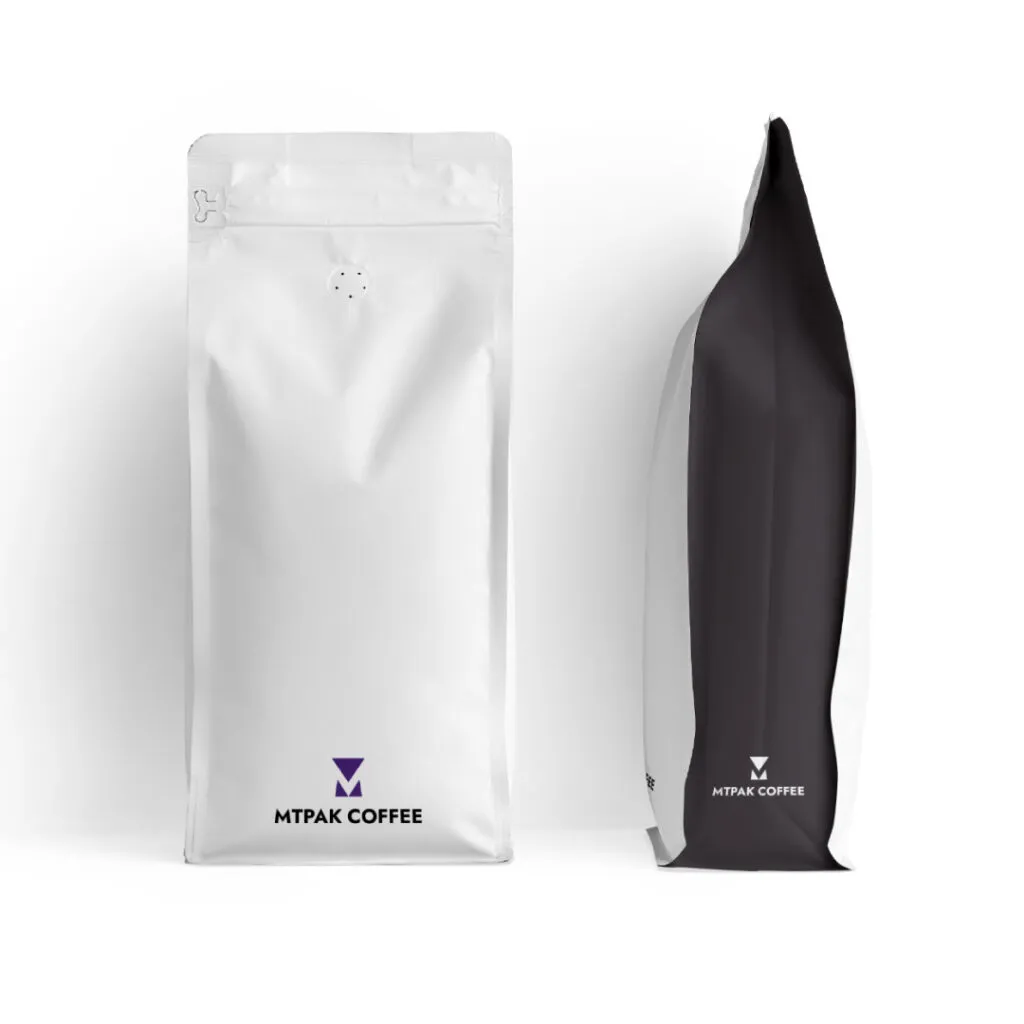 The technological innovation capability is reflected in increasing the application ratio of digital printing to 60% and achieving an economic production with a minimum order quantity of 500 pieces. The adoption of electron beam curing technology enables the printing resolution to reach 2400dpi and increases the ink adhesion by 50%. For instance, Procter & Gamble's AR packaging project in collaboration with its suppliers has increased consumer interaction frequency by 300% and brand memory by 45 percentage points.
In sustainable development solutions, the single-material packaging developed by flexible packaging suppliers has increased the recycling rate from 20% to 85% and reduced the carbon footprint by 42%. Through lightweight design, the plastic usage per ton of product is reduced by 300 kilograms, meeting the EU regulation requirement of 30% recycled material content by 2030. According to a report by the Ellen MacArthur Foundation, customers who adopted closed-loop systems saved 2.5% of their total revenue on waste disposal costs within three years.
The quality control system has been certified by ISO22000, with a coverage rate of 100%. The online detection system monitors 0.1-millimeter-level defects at a speed of 600 pieces per minute. The Six Sigma management it established has kept the product defect rate below 0.05%, and the customer complaint rate is 2.3 percentage points lower than the industry average. For instance, the intelligent traceability system adopted by Nestle has reduced the time for locating quality issues from 72 hours to 15 minutes.
The R&D investment of the flexible packaging supplier accounts for 7.8% of its annual revenue, it holds over 150 patents, and the success rate of new product development is 85%. By leveraging digital twin technology, the mold development cycle has been reduced from 45 days to 20 days, and the speed of customers' new product launches has increased by 60%. According to PMMI statistics, enterprises that cooperate with professional suppliers have a market competitiveness score 35 points higher than the industry average, and the average return on investment reaches 280%.
The technological innovation capability is reflected in increasing the application ratio of digital printing to 60% and achieving an economic production with a minimum order quantity of 500 pieces. The adoption of electron beam curing technology enables the printing resolution to reach 2400dpi and increases the ink adhesion by 50%. For instance, Procter & Gamble's AR packaging project in collaboration with its suppliers has increased consumer interaction frequency by 300% and brand memory by 45 percentage points.
In sustainable development solutions, the single-material packaging developed by flexible packaging suppliers has increased the recycling rate from 20% to 85% and reduced the carbon footprint by 42%. Through lightweight design, the plastic usage per ton of product is reduced by 300 kilograms, meeting the EU regulation requirement of 30% recycled material content by 2030. According to a report by the Ellen MacArthur Foundation, customers who adopted closed-loop systems saved 2.5% of their total revenue on waste disposal costs within three years.
The quality control system has been certified by ISO22000, with a coverage rate of 100%. The online detection system monitors 0.1-millimeter-level defects at a speed of 600 pieces per minute. The Six Sigma management it established has kept the product defect rate below 0.05%, and the customer complaint rate is 2.3 percentage points lower than the industry average. For instance, the intelligent traceability system adopted by Nestle has reduced the time for locating quality issues from 72 hours to 15 minutes.
The R&D investment of the flexible packaging supplier accounts for 7.8% of its annual revenue, it holds over 150 patents, and the success rate of new product development is 85%. By leveraging digital twin technology, the mold development cycle has been reduced from 45 days to 20 days, and the speed of customers' new product launches has increased by 60%. According to PMMI statistics, enterprises that cooperate with professional suppliers have a market competitiveness score 35 points higher than the industry average, and the average return on investment reaches 280%.
The technological innovation capability is reflected in increasing the application ratio of digital printing to 60% and achieving an economic production with a minimum order quantity of 500 pieces. The adoption of electron beam curing technology enables the printing resolution to reach 2400dpi and increases the ink adhesion by 50%. For instance, Procter & Gamble's AR packaging project in collaboration with its suppliers has increased consumer interaction frequency by 300% and brand memory by 45 percentage points.
In sustainable development solutions, the single-material packaging developed by flexible packaging suppliers has increased the recycling rate from 20% to 85% and reduced the carbon footprint by 42%. Through lightweight design, the plastic usage per ton of product is reduced by 300 kilograms, meeting the EU regulation requirement of 30% recycled material content by 2030. According to a report by the Ellen MacArthur Foundation, customers who adopted closed-loop systems saved 2.5% of their total revenue on waste disposal costs within three years.
The quality control system has been certified by ISO22000, with a coverage rate of 100%. The online detection system monitors 0.1-millimeter-level defects at a speed of 600 pieces per minute. The Six Sigma management it established has kept the product defect rate below 0.05%, and the customer complaint rate is 2.3 percentage points lower than the industry average. For instance, the intelligent traceability system adopted by Nestle has reduced the time for locating quality issues from 72 hours to 15 minutes.
The R&D investment of the flexible packaging supplier accounts for 7.8% of its annual revenue, it holds over 150 patents, and the success rate of new product development is 85%. By leveraging digital twin technology, the mold development cycle has been reduced from 45 days to 20 days, and the speed of customers' new product launches has increased by 60%. According to PMMI statistics, enterprises that cooperate with professional suppliers have a market competitiveness score 35 points higher than the industry average, and the average return on investment reaches 280%.
Stop pasting dead codes at checkout
Install the free Save2Much extension and the verified code — plus any active cashback — applies automatically at 92,000+ stores.
Start Saving Now — It's Free or browse cashback stores