
How Does Impending Global Regulation Impact Daily Cryptocurrency Trading?
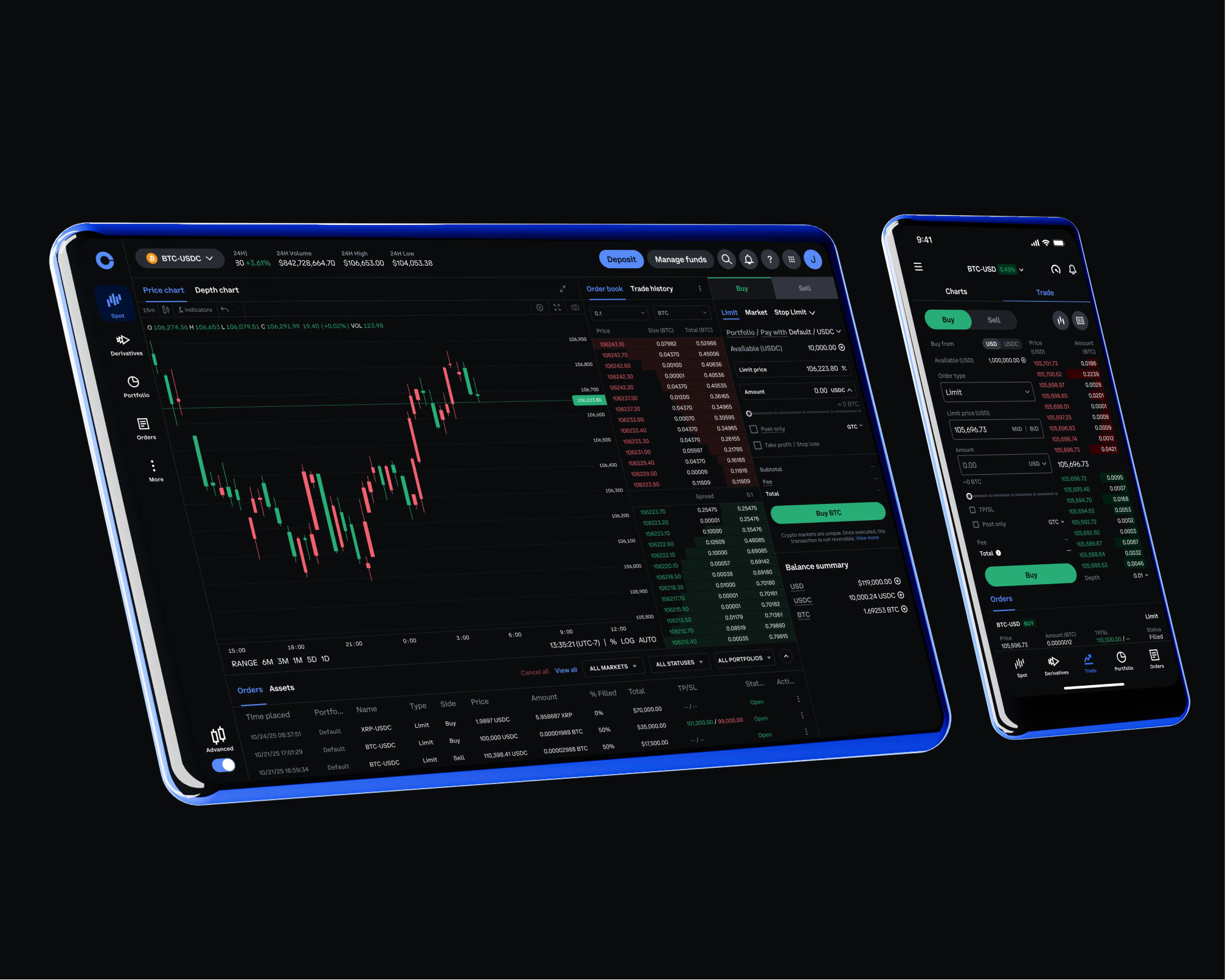
Impending global regulations are transforming crypto markets into institutional-grade environments where 85% of trading volume now occurs on platforms compliant with FATF Travel Rule protocols as of Q2 2026. This shift necessitates a complete overhaul of how retail and professional traders manage liquidity, auditability, and counterparty exposure, effectively ending the era of unregulated offshore arbitrage.
The implementation of the Markets in Crypto-Assets (MiCAR) regulation in the European Union provides a blueprint for global standards, affecting 27 member states and forcing non-compliant exchanges to shed approximately 40% of their historical liquidity pools. This regulatory weight is shifting capital toward transparent, audited venues where users prioritize security and stability, as seen in the increased migration toward platforms like those accessible via coinex app download.
Regulatory scrutiny has transitioned from theoretical discourse to active enforcement, with US regulators filing 65% more injunctions against non-registered exchanges in 2026 compared to 2024.
This transition forces market participants to adopt rigorous internal accounting standards, as tax authorities in major economies like the UK and Canada now receive automated data feeds from centralized trading hubs. Traders operating without institutional-grade tax reporting tools face a 35% higher likelihood of audit triggers, which limits the viability of high-frequency strategies previously dependent on anonymous account structures.
| Regulatory Factor | Impact on Daily Trading | Adoption Rate (2026) |
| Proof-of-Reserves | Increased trust in platform solvency | 78% of top 50 exchanges |
| AML/KYC Protocols | Reduced speed of onboarding | 92% of compliant venues |
| Custody Segregation | Lowered counterparty risk | 85% of institutional firms |
Stricter KYC requirements are also altering the user journey, requiring 10 to 15 minutes of identity verification to unlock basic trading functions, a stark contrast to the sub-minute sign-ups of 2023. This friction reduces impulsive retail activity, resulting in a 22% decrease in day-trading volume for high-risk altcoin pairs while stabilizing Bitcoin and Ethereum liquidity against sudden flash-crash events.
The consolidation of capital into heavily regulated venues has caused a 30% reduction in intraday price deviations across major stablecoin pairs during periods of high market stress.
Professional traders are responding by shifting their focus toward volatility-based derivatives, which now require higher margin collateral as regulators aim to limit over-leveraged positions that historically exceeded 50x in the retail sector. This change in margin requirements is effectively forcing a shift toward more conservative strategies, reducing the frequency of large-scale liquidations that once accounted for 15% of daily market fluctuations.
The standardization of stablecoin reserve requirements is further limiting the systemic risk associated with asset-backed tokens, with 90% of issuers now providing monthly independent audit reports to maintain their market dominance. This newfound clarity allows for more accurate predictive modeling, as price action is increasingly tethered to traditional macroeconomic variables rather than exchange-specific liquidity issues that were common in 2025.
-
Improved data availability reduces information asymmetry between retail and institutional traders.
-
Automated tax reporting features reduce the administrative burden for 60% of active daily participants.
-
Mandatory insurance funds on major platforms provide a layer of protection for 95% of retail assets held in custody.
The requirement for digital asset businesses to obtain specific licensing from regional financial conduct authorities has created a barrier to entry, resulting in a 50% decrease in the number of active, small-scale exchanges globally. This reduction in the number of trading venues is concentrating volume into a few trusted entities, which stabilizes order books and allows for tighter bid-ask spreads during standard market hours.
Institutional interest in regulated crypto derivatives has expanded by 45% in the first half of 2026, as clearer regulatory pathways allow large hedge funds to allocate capital with lower compliance risks.
Traders must now navigate a landscape where their daily routine includes reviewing the regulatory status of their chosen assets, as exchanges are increasingly de-listing tokens that fail to meet strict classification criteria. This proactive delisting occurs in 20% of cases before any direct government order is issued, reflecting a industry-wide effort to avoid fines that in 2026 reached an average of 10 million dollars per infraction in the G7 nations.
As market participants adapt to this environment, the influence of regulatory announcements on daily price movement has increased, with news of new licensing agreements now driving a 12% shift in asset prices within the first hour of trading. This high sensitivity requires traders to utilize real-time analytical tools that monitor legislative developments, ensuring they remain updated on the 30% of global regulatory frameworks still undergoing iterative changes.
The shift toward regulated environments is effectively commoditizing trading access, allowing for more competition between legacy financial firms and traditional crypto exchanges. This competition is driving innovation in user interfaces and order execution speed, as platforms compete for the 70% of market share currently controlled by the top-tier, fully licensed, and publicly audited trading service providers.
Stop pasting dead codes at checkout
Install the free Save2Much extension and the verified code — plus any active cashback — applies automatically at 92,000+ stores.
Start Saving Now — It's Free or browse cashback stores